

What Is Fantasy Sports Software?
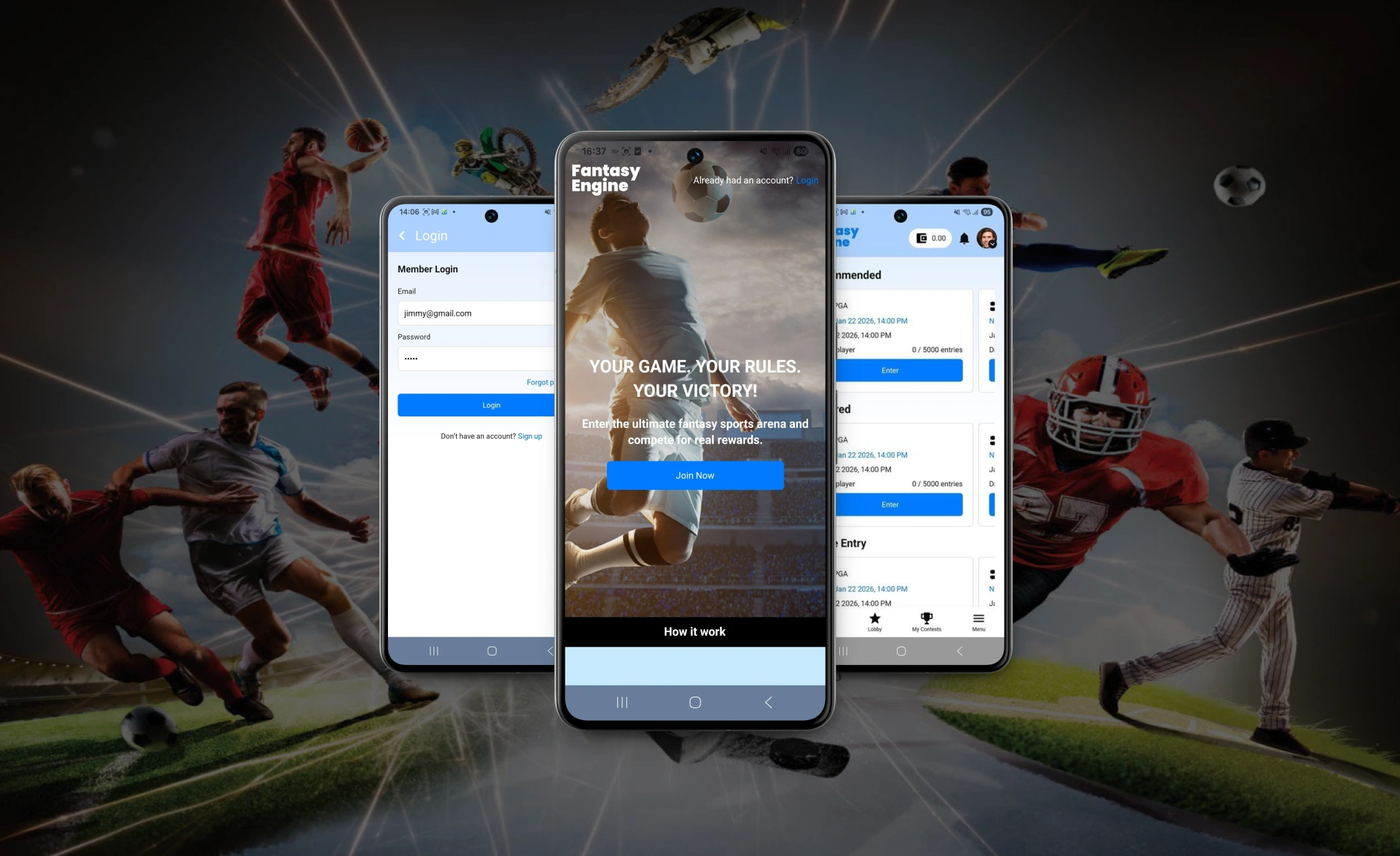
Fantasy sports software sits at the crossroads of sports, technology, and digital entertainment. It turns fans from passive viewers into active participants who track real matches, manage virtual teams, and compete with others using real-world sports data. What started decades ago as a hobby among friends has grown into a global digital business category that attracts startups, media firms, and investors.
For entrepreneurs exploring online business ideas with strong engagement and repeat usage, fantasy sports software stands out. It pulls users back day after day, keeps them emotionally invested, and supports several revenue paths. This guide explains how fantasy sports software works, why the market keeps growing, and what business professionals should know before entering this space.
Understanding Fantasy Sports Software
Fantasy sports software is a digital platform that allows users to build virtual teams using real athletes from professional leagues. Each athlete earns points based on actual match performance. Users compete in contests, leagues, or tournaments where rankings depend on those points.
The software handles everything behind the scenes: player databases, scoring rules, real-time match data, leaderboards, payments, and user accounts. Modern platforms run on mobile apps and web dashboards, supported by live data feeds that update scores within seconds.
Core Components of Fantasy Sports Platforms
Most fantasy sports platforms share a similar structure, even if the sport or contest format changes.
Key components include:
- User registration and identity checks
- Contest listings and league creation
- Team drafting or lineup selection
- Live scoring and rankings
- Wallets, payments, and prize payouts
- Admin dashboards for operators
These systems work together to create a competitive loop where users research players, build teams, monitor matches, and adjust strategy across contests.
How Fantasy Sports Software Works in Practice
Fantasy sports software relies on real-world sports data and rule-based scoring engines. Once a match starts, the platform receives constant updates from official data providers. Every action on the field triggers point calculations.
Typical User Flow
- A user signs up and selects a sport.
- The user joins a contest or creates a private league.
- A team is drafted based on rules like salary caps or snake drafts.
- Live matches begin and points update in real time.
- Rankings change as players perform.
- Prizes are distributed once contests close.
This loop creates tension and excitement. Users check apps often during matches, sometimes multiple times per hour.
Daily Fantasy Sports vs Season-Long Formats
Fantasy sports software usually supports one or both of these models:
Daily Fantasy Sports (DFS)
Contests last a single match or short window. Teams reset after each contest. This model encourages frequent play and steady transaction volume.
Season-Long Fantasy Sports
Users manage teams across an entire league season. Trades, injuries, and long-term planning shape outcomes. This format builds deeper social bonds within leagues.
Both formats attract different user types, which helps operators segment products and pricing.
Fantasy Sports Market Size and Growth Outlook
Fantasy sports has grown into a large digital economy tied closely to mobile usage and sports media consumption.
The global fantasy sports market reached roughly USD 24.8 billion in 2024. Projections show steady growth through the next decade, with estimates crossing USD 56 billion by 2030 and moving toward USD 90 billion beyond that point.
Regional Growth Patterns
North America
The United States leads in revenue, driven by American football, basketball, and baseball. Integration with sports media and legalized wagering supports strong spending levels.
Asia-Pacific
This region shows the fastest growth pace. India plays a central role, with cricket-based fantasy platforms drawing hundreds of millions of users. Low-cost smartphones and affordable data plans fuel adoption.
Europe and Latin America
Football-focused platforms dominate. User numbers climb as mobile-first products replace desktop-based leagues.
Africa
Youth-driven interest in European leagues makes this region one to watch over the next several years.
Sports and Demographic Trends Shaping Demand
Fantasy sports participation no longer centers on a single profile. The audience continues to widen.
Sports Driving User Growth
- Cricket leads user volume in South Asia
- American football anchors revenue in the US
- Football supports steady growth worldwide
- Esports fantasy formats gain traction with younger users
- Women’s sports attract new audiences and sponsors
Shifting Player Demographics
Most fantasy sports users fall between 25 and 40 years old. At the same time, younger users enter platforms earlier, often during their teens. Female participation also climbs as women’s leagues gain coverage and visibility.
This shift opens room for niche fantasy sports products built around specific sports, regions, or demographics.
Why Fantasy Sports Software Matters to Entrepreneurs
Fantasy sports software offers one of the strongest engagement profiles in digital entertainment. Users stay active for long sessions and return frequently during sports seasons.
High Engagement Equals Business Value
Fantasy players track injuries, player form, news updates, and live scores. Many spend over 15 hours per week on platforms during peak seasons. That attention creates space for monetization, advertising, partnerships, and cross-promotion.
Predictable Usage Cycles
Sports calendars are known years ahead. Entrepreneurs can plan marketing campaigns, feature releases, and sponsorship deals around league schedules. This predictability lowers uncertainty compared to trend-based apps.
Monetization Models in Fantasy Sports Software
Fantasy sports platforms rarely rely on a single income stream. Most combine several methods to balance risk and seasonality.
Entry Fees and Contest Commissions
Paid contests generate revenue through small commissions taken from prize pools. This structure scales well as user volume grows.
Subscription Plans
Advanced analytics, lineup tools, and ad-free access often sit behind monthly or seasonal plans. Power users tend to accept these costs.
Advertising and Sponsorships
Free-to-play users still produce value through in-app ads and branded contests. Sports brands favor these platforms due to focused audiences.
In-App Purchases
Digital items like boosts, badges, or customization options carry high margins and appeal to competitive users.
White-Label Licensing
Some companies license fantasy sports software to media outlets, clubs, or startups. This business-to-business path brings steady contract revenue.
Fantasy Sports App Development Options
Entrepreneurs usually choose between custom development and ready-made platforms.
Custom Fantasy Sports App Development
Custom builds allow full control over features, design, and intellectual property. They fit companies with unique rule sets or long-term plans. Costs range from tens of thousands to well into six figures, depending on scope.
White-Label Fantasy Sports Software
White-label solutions offer quicker launches and lower upfront costs. Branding changes and basic configuration happen fast. This route suits founders testing markets or focusing on marketing rather than engineering.
Each option carries trade-offs between flexibility, cost, and speed.
Data Feeds and Technology Stack
Live sports data powers every fantasy sports platform. Reliable feeds keep scoring accurate and contests fair.
Popular providers include global firms covering hundreds of leagues. These services deliver player stats, match events, and historical records through secure APIs.
Behind the scenes, platforms rely on:
- Scalable cloud infrastructure
- Real-time processing systems
- Secure payment gateways
- Fraud detection tools
Strong technical foundations reduce downtime during high-traffic match windows.
Legal and Regulatory Considerations
Fantasy sports law varies by country and sometimes by region within a country. Many jurisdictions treat fantasy sports as skill-based competitions rather than betting.
In the United States, federal law allows fantasy contests under defined conditions. Individual states still impose restrictions. In India, court rulings support skill-based fantasy sports, though some states apply local licensing rules.
Entrepreneurs must manage:
- Age restrictions
- Location-based access controls
- Identity verification
- Secure fund handling
Ignoring these factors risks shutdowns and payment freezes.
Payments and Financial Processing
Fantasy sports platforms face higher scrutiny from banks. Chargebacks and regulatory uncertainty place them in higher-risk categories.
Specialized payment providers serve this market with fraud screening and dispute tools. Fees run higher than standard online businesses, but reliable processing keeps operations stable.
Real-World Business Lessons
Several fantasy sports companies grew by focusing on specific gaps.
Some platforms support private league organizers, allowing them to run paid contests without handling money themselves. Others combine fantasy play with media content or influencer-driven leagues.
These cases show that fantasy sports software works best when paired with clear positioning and community focus.
Future Trends in Fantasy Sports Software
Fantasy sports continues to change as technology and fan habits shift.
Personalization and Automation
Recommendation systems now suggest lineups, trades, and contests based on user history and match context. This lowers entry barriers for casual players.
Digital Assets and Ownership
Some platforms test digital collectibles linked to athletes or teams. These items unlock contests or carry resale value inside ecosystems.
Immersive Viewing Experiences
Augmented and virtual reality tools start to blend live viewing with fantasy dashboards, placing stats directly into visual spaces.
Common Challenges for New Operators
Fantasy sports businesses face hurdles that require planning.
- Heavy competition from established brands
- High data and licensing costs
- Legal uncertainty across regions
- Seasonal revenue swings
Clear niche focus and disciplined spending help offset these risks.
FAQs About Fantasy Sports Software
What is fantasy sports software used for?
Fantasy sports software runs online contests where users build teams using real athletes and score points from actual match performance.
Is fantasy sports a legal business?
In many countries, fantasy sports qualifies as a skill-based activity. Laws vary by location, so legal review matters before launch.
How do fantasy sports platforms make money?
Common revenue sources include contest commissions, subscriptions, ads, in-app purchases, and licensing deals.
How much does it cost to build a fantasy sports app?
White-label platforms may start below USD 25,000. Custom builds can exceed USD 100,000 depending on features and scale.
Which sports work best for fantasy platforms?
Cricket, football, basketball, and American football draw the largest audiences. Niche sports also attract loyal communities.
Final Thoughts for Entrepreneurs
Fantasy sports software offers a rare mix of entertainment, data, and recurring engagement. Users stay invested for long periods, making these platforms attractive business assets. Entrepreneurs who focus on clear niches, solid legal foundations, and dependable technology stand a strong chance in this space.
As sports fandom shifts toward interactive formats, fantasy sports software remains a key gateway between fans and digital business models.